Editable Mood Tracker Canva Templates: A Designer's Guide
Tracking your emotional landscape is a powerful practice for self-awareness, but let's be honest: a boring grid on a page rarely inspires consistency. That's where a thoughtfully designed tool changes the game. The Editable Mood Tracker Canva Templates offer more than just a functional log; they provide a visually engaging framework that makes the process of checking in with yourself genuinely appealing. This isn't a static PDF. It's a dynamic, 11-page design asset delivered via an editable Canva link, giving you the creative control to make it uniquely yours.
What's Inside This Creative Design Asset?
When you open this package, you receive a direct link to a Canva document. The first and most critical step is to immediately navigate to your Canva homepage and create a copy of this template. This preserves the original link for you and ensures you're working on a version that's entirely your own, safe to edit, delete, or rearrange pages as you see fit. The template itself is an 8.5 x 11 inch layout, a standard size that's perfect for printing at home or at a local print shop, but it works just as well as a digital journal on your tablet or computer.
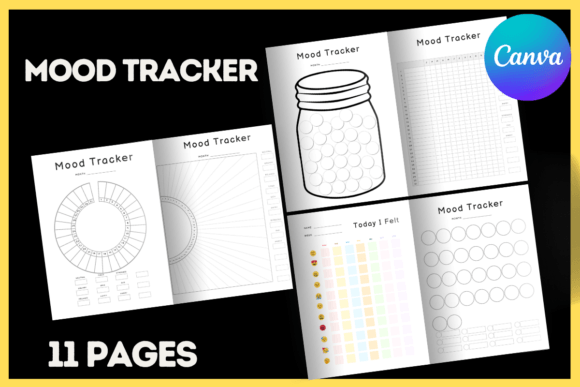
The package includes 11 distinct pages. This isn't a single, repetitive tracker multiplied. You'll find a variety of layouts, each with its own personality and visual hierarchy. Some pages might feature a more structured, grid-based approach ideal for data-driven tracking, while others could offer a more fluid, illustrative style with space for notes and reflections. The overall appeal is a blend of modern typography and clean design, likely utilizing a combination of serif and sans-serif typefaces to create clear headings and readable body text. The visual style avoids being overly childish or clinical, striking a balance that feels professional yet personal—perfect for adults who want a tool that respects their aesthetic sensibilities.
Where Do These Templates Shine?
The true strength of these Editable Mood Tracker Canva Templates lies in their versatility. Because they are built in Canva, you're not locked into a single use case. Here’s how different creators and professionals can leverage this design asset:
- For Personal Use: This is the most straightforward application. Use it for your own mental wellness journey, therapy homework, or simply to cultivate mindfulness. The act of choosing a color or icon to represent your mood becomes a moment of creative reflection.
- For Content Creators & Bloggers: If you run a wellness, productivity, or lifestyle blog, you can adapt these templates into a free printable resource for your audience. It’s a valuable lead magnet that demonstrates your design sensibility and provides genuine utility, helping to build your brand identity.
- For Therapists, Coaches & Small Business Owners: Professionals in the wellness space can customize these templates with their own branding—adjusting colors to match their logo design and adding their website. They become a polished, professional handout for clients, enhancing the perceived value of their service.
- For Crafters & Hobbyists: Integrate the pages into a larger digital or physical planner. The ability to edit means you can resize elements, change backgrounds, and make it a cohesive part of a custom bullet journal or scrapbook.
In editorial design or packaging design contexts, elements from these templates—like a particularly elegant chart style or a well-chosen font pairing—could inspire visual language for a wellness product line or a magazine feature on mental health. The clean web design principles applied to the layout ensure it looks sharp both on screen and in print.
Practical Guidance for Getting the Most From Your Template
Simply having the template is step one. Using it effectively is where the real value is unlocked. Here’s a practical roadmap:
- Evaluate the Project Fit: Before diving into edits, ask yourself: What is my primary goal? Is it personal tracking, a client resource, or a blog freebie? This will guide your customization. A personal tracker can be highly idiosyncratic, while a client-facing resource should maintain a clean, professional typeface and layout.
- Master the Editable Link: Remember, the key is to work on your copy. Once copied, you can change every element. Swap out the default fonts for ones from your own brand identity kit. Replace the color palette. Add your own illustrations or icons. This is where you transform a generic premium font template into a custom piece.
- Consider Readability & Hierarchy: The template likely already has a solid visual hierarchy. When you edit, maintain it. Use a bold, clear display font for titles, a highly readable sans serif font for instructions, and perhaps a softer script font or handwritten font for inspirational quotes. Test the readability of your text at the final print size.
- Test Your Font Pairings: If you change the fonts, do so thoughtfully. A common and effective pairing is a strong serif font for headings with a clean sans-serif for body text. Avoid using more than two or three typefaces to prevent visual clutter. The goal is to enhance readability, not hinder it.
- Understand the License: Since this is a Canva template, the final usage rights depend on Canva’s licensing terms and the elements you use within it. For most personal and standard commercial uses (like giving a PDF to clients), you are covered. However, if you plan to resell the template file itself as a digital product, you must review the terms carefully. The value is in your customization and the end use, not in reselling the base template.
Ultimately, these templates are a starting point—a professionally designed foundation. Your creativity, strategic edits, and understanding of your audience are what will determine their success. Whether you're enhancing your own mindfulness practice or building a more engaging resource for your community, this editable format puts the power of good design directly in your hands. Follow the profile for new products that continue to blend practical utility with thoughtful design.