Streetwear Neck Labels: Branding Your Apparel
In the competitive world of streetwear and independent fashion, the details are what separate a forgettable t-shirt from a cult classic. While the graphic on the front catches the eye, the neck label often defines the tactile experience and the perceived value of the garment. It is the handshake between the brand and the customer. If you are launching a clothing line or refining your merch strategy, relying on generic, heat-transfer tags might not be enough. You need professional branding assets that feel as intentional as your designs. This is where Editable Streetwear Neck Label Templates come into play, offering a bridge between raw creativity and production-ready precision.
The Anatomy of a Professional Garment Tag
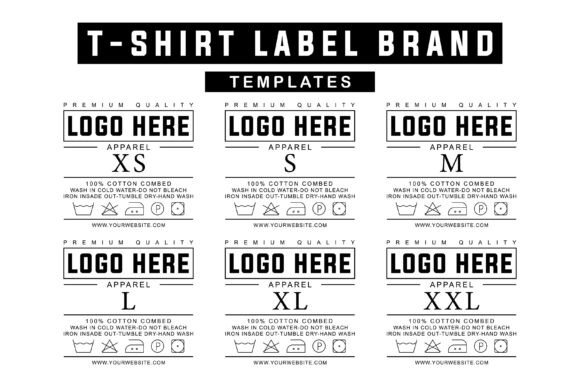
When we talk about these templates, we are discussing more than just a rectangle with a logo. A well-designed neck label template is a complex piece of real estate. It needs to accommodate your brand mark, usually centered or aligned to a specific aesthetic—be it the gritty, distressed look of 90s skate culture or the minimalist, clean lines of modern high fashion. However, the visual flair is only half the job. The functional aspect is critical. These templates are pre-structured to include the necessary legal and informational hierarchy: cotton garment tags with sizes and care instructions.
Imagine a customer buying a premium cotton hoodie. They expect to see a clear size indicator—S, M, L, XL—integrated seamlessly into the design. More importantly, they need to know how to care for the fabric. The inclusion of standardized care symbols (wash, bleach, dry, iron) is not just a legal requirement in many regions; it is a signal of professionalism. A template that has already accounted for the spacing of these elements saves you hours of guesswork. It ensures that the text remains legible even when printed on the small surface area of a woven label or a printed tag.
Why Vector Flexibility Matters for Your Brand
The true power of modern design assets lies in their adaptability. You will often hear designers emphasize the need for vector files, and for good reason. These Editable Streetwear Neck Label Templates are delivered as 100% vector source files, typically in EPS format, alongside high-resolution JPGs for quick previews. But what does this mean for your workflow?
Vector graphics are mathematical equations rather than fixed pixels. This allows you to transform, scale up and down, add and remove elements or text, and recolor without losing quality. If you are working in Adobe Illustrator, Affinity Designer, or CorelDRAW, you can manipulate every anchor point. Perhaps you love the shape of a label but want to swap the serif font for a heavy sans-serif typeface to match your logo design. With vector files, you simply select the text and change it. You can adjust the stroke weight of the borders or change the background color from stark white to a washed-out vintage black in seconds.
This level of control is essential for maintaining a cohesive brand identity. You are not locked into a rigid design. Instead, you are using a structural foundation that you can customize to fit the exact personality of your clothing line. Whether you are creating a premium font layout for a luxury streetwear drop or a handwritten font style for a bohemian indie brand, the vector format ensures your output is crisp on everything from digital mockups to physical prints.
Strategic Applications Beyond the Neck
While the primary function is apparel branding, thinking outside the box can maximize your investment in these design assets. The aesthetic of streetwear labels—often featuring bold display font choices, script font accents, and high-contrast layouts—is incredibly versatile.
Consider using elements from these templates for your broader marketing ecosystem. If you are running a drop campaign, the visual language of your garment tags should bleed into your social media graphics. You can extract the care instruction icons or the size charts to create Instagram Stories that highlight the quality of your cotton. The layout principles used in a neck label—managing space, hierarchy, and typography in a tiny area—translate surprisingly well to packaging design. Think about the hang tags attached to the sleeve or the thank-you cards tucked inside the shipping box. Using a consistent typeface across all these touchpoints reinforces your brand’s presence.
Furthermore, for those involved in editorial design or publishing, the gritty texture often found in streetwear templates can add an edge to magazine layouts or lookbooks. The templates serve as a sandbox for experimenting with modern typography. You might discover a font pairing that works perfectly for a header in a digital publication simply by testing how different weights interact within the label constraints.
Evaluating Fit and Ensuring Readability
Choosing the right template requires a critical eye. It is not just about what looks cool in the preview image; it is about how it functions in the real world. When evaluating these assets, start by assessing the visual hierarchy. Does the template allow your brand name to stand out while keeping the size and care information accessible? A common pitfall in streetwear design is sacrificing legibility for style. A creative font might look amazing blown up on a screen, but when reduced to the 1-inch height of a neck label, it can become an unreadable mess.
Test the readability by zooming out. If you can’t distinguish the "L" from an "S" or the washing instructions are just a blur of lines, the template needs significant reworking. This is where the ability to edit the vector files becomes crucial. You may need to swap a complex script font for a cleaner sans-serif font for the technical details, even if the main brand name remains stylized.
Also, consider the fabric of your garment. A design that works on a smooth, woven label might not translate to a rough cotton tag where ink can bleed. High-resolution JPGs are great for showing clients, but you need to rely on the vector precision when communicating with manufacturers. Ensure the lines are clean and the contrast is high enough to withstand the printing process. By focusing on these practical details, you ensure that your customizable unisex clothing tag label brand templates do more than just look good—they work hard for your business, building trust and recognition with every piece you sell.